
Plastic Container Filling and Sealing Machines for Food Products


Plastic Container Filling and Sealing Machines
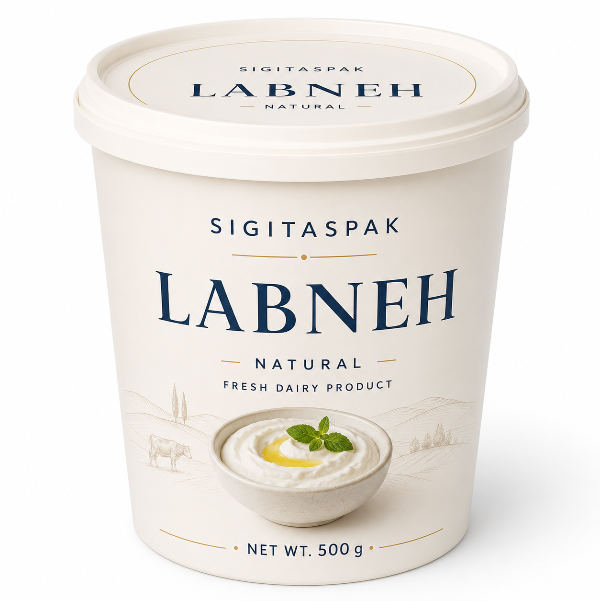
SIGITASPAK supplies plastic container filling and sealing machines for ready meals, salads, dairy products, sauces, pastes, caviar, preserves and portioned food products packed into ready-made containers.
Plastic container packaging is used when the manufacturer needs accurate portioning, hygienic filling, reliable sealing and stable retail presentation for chilled, ambient or ready-to-eat products. This format is suitable for round, rectangular, oval, sectional and non-standard containers.
The line is selected according to product type, viscosity, filling volume, container shape, flange size, foil or film type, lid requirement, sanitary level, required output and integration with coding, inspection, conveyors and downstream packaging equipment.
Plastic container filling: what production tasks the equipment solves
Plastic container filling and sealing machines are used when a product must be accurately dosed into ready-made rigid packaging and hermetically closed for storage, transportation and retail display. The machine can feed empty containers, dose the product, place foil or film, seal the container, apply a plastic lid, print the date and transfer finished packs to the next conveyor.
This packaging format is used in dairy production, sauce production, fish processing, ready meal production, deli food, salads, preserves and products with soft inclusions. Depending on the required output, the solution can be built on a rotary machine for compact layouts or a linear machine for higher capacity and extended hygiene configuration.
- Filling machines for cottage cheese, sour cream, yogurt, cream, butter, spreads, cream cheese, sauces, pâté, caviar, salads and preserves.
- Sealing equipment for plastic containers with foil, roll-fed film or plastic lids.
- Rotary filling machines for large containers, buckets and non-standard ready-made packaging.
- Linear filling and sealing lines for multi-row production, higher output and extended sanitary options.
Products packed into plastic containers
Dairy products
Cottage cheese, curd products, granular cottage cheese, sour cream, cream, yogurt, dairy desserts, cream cheese, butter, margarine and spreads.
Sauces and pasty products
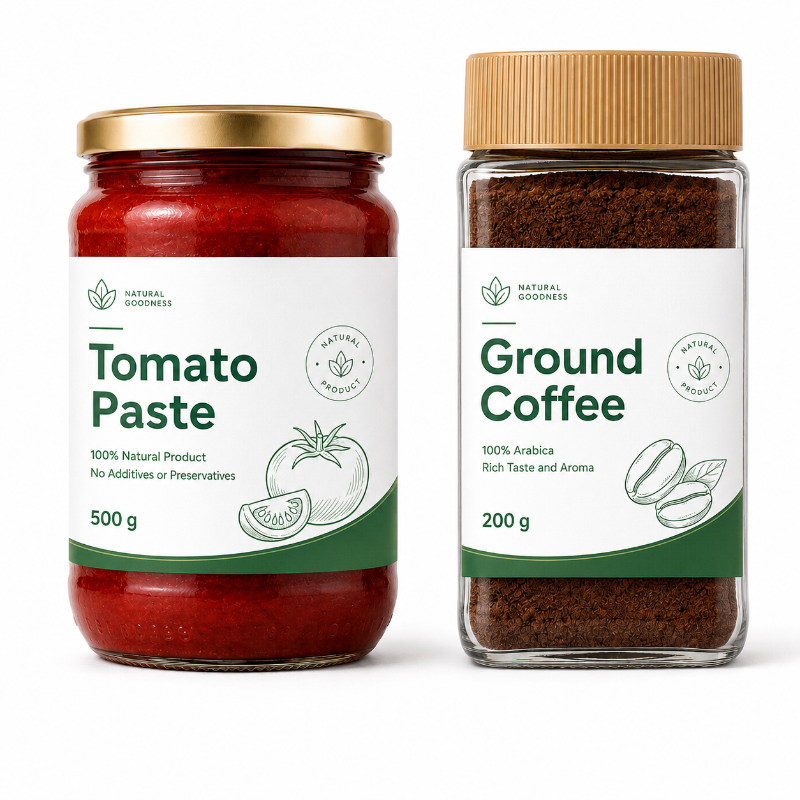
Mayonnaise, ketchup, mustard, tomato paste, chocolate spread, nut paste, jam, honey, dips, creams and products with soft inclusions.
Ready meals and preserves
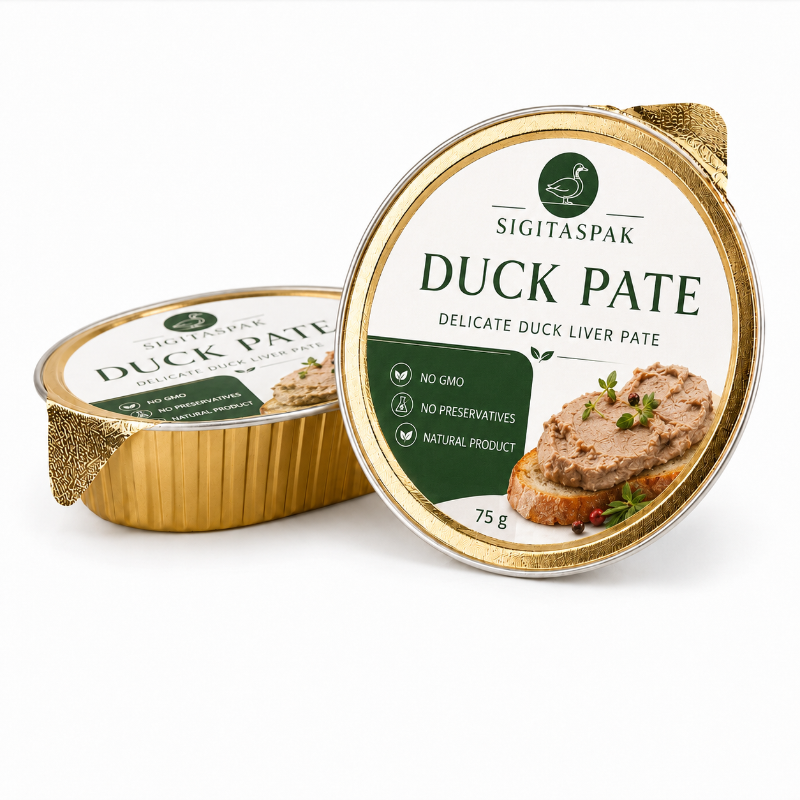
Salads, pâté, caviar, fish preserves, seaweed, ready meals, prepared food portions and multicomponent food products.
Rotary filling machines for plastic containers
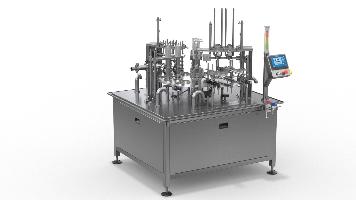
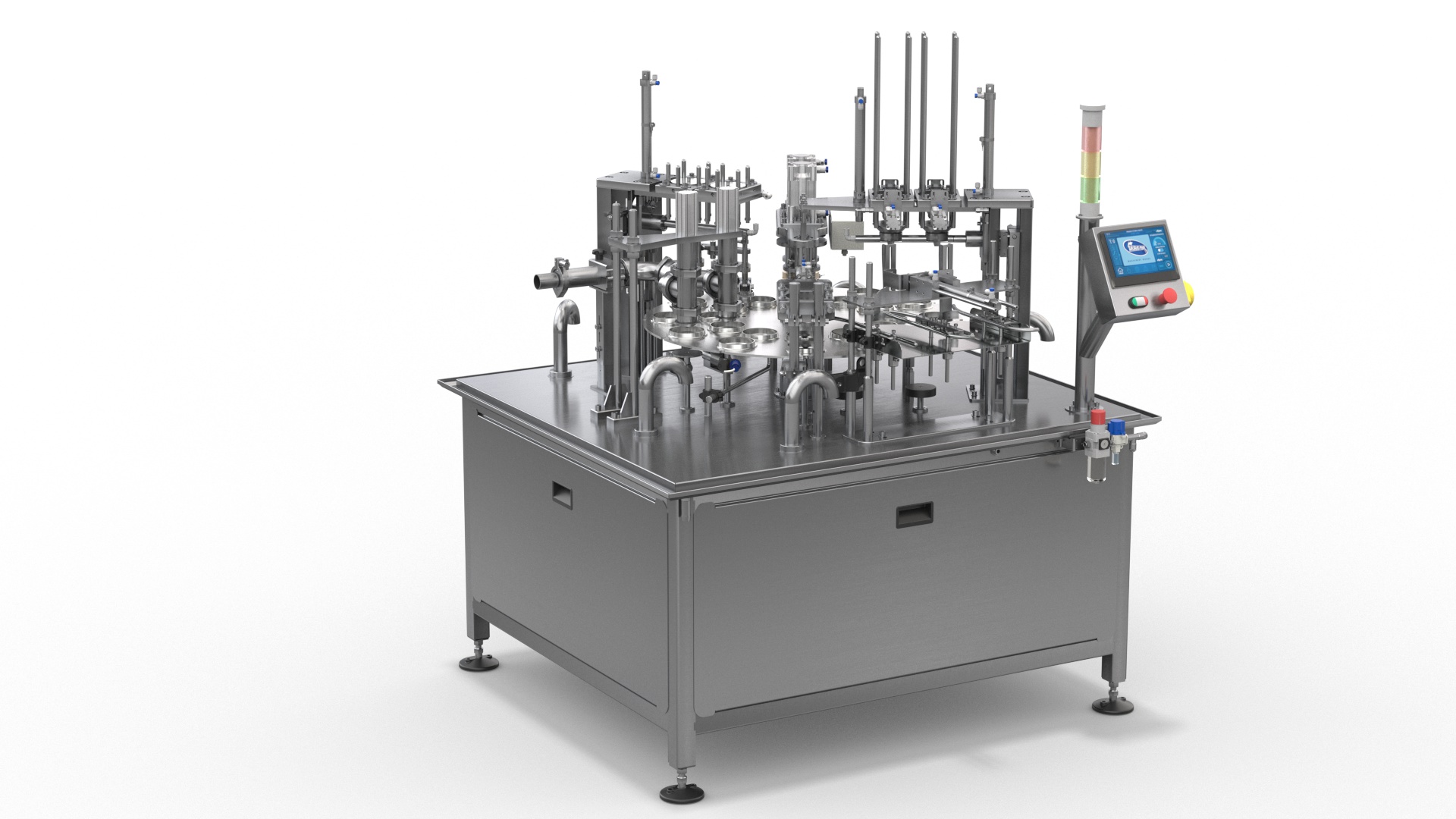
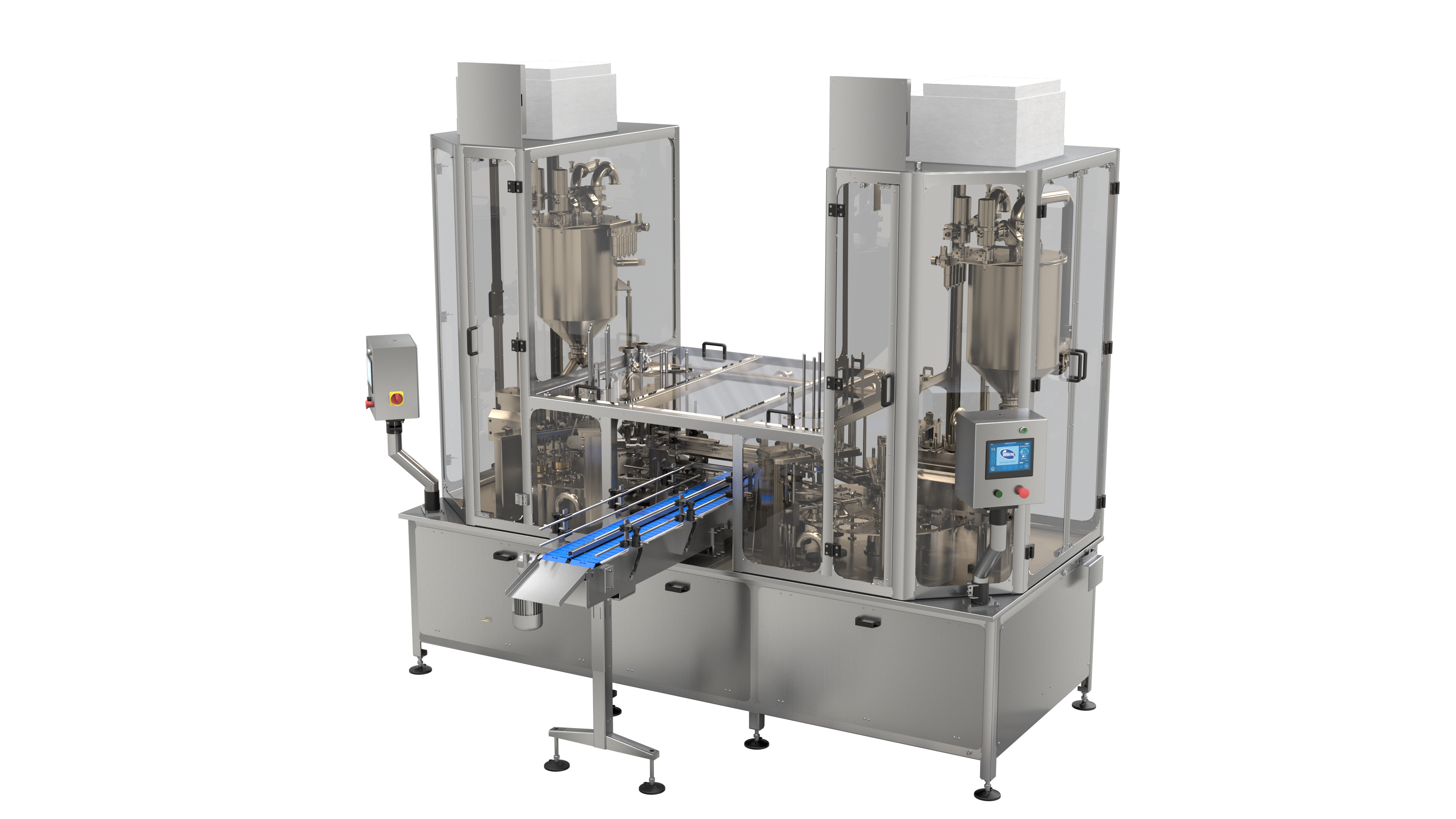
Rotary PASTPACK machines are selected when the manufacturer needs compact equipment for plastic containers, buckets and larger ready-made packaging. Rotary machines perform the main operations around a rotary table: container feeding, dosing, foil placing, sealing, date coding, optional cap placing and finished container discharge.
Linear filling and sealing machines for plastic containers
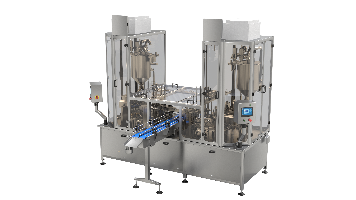
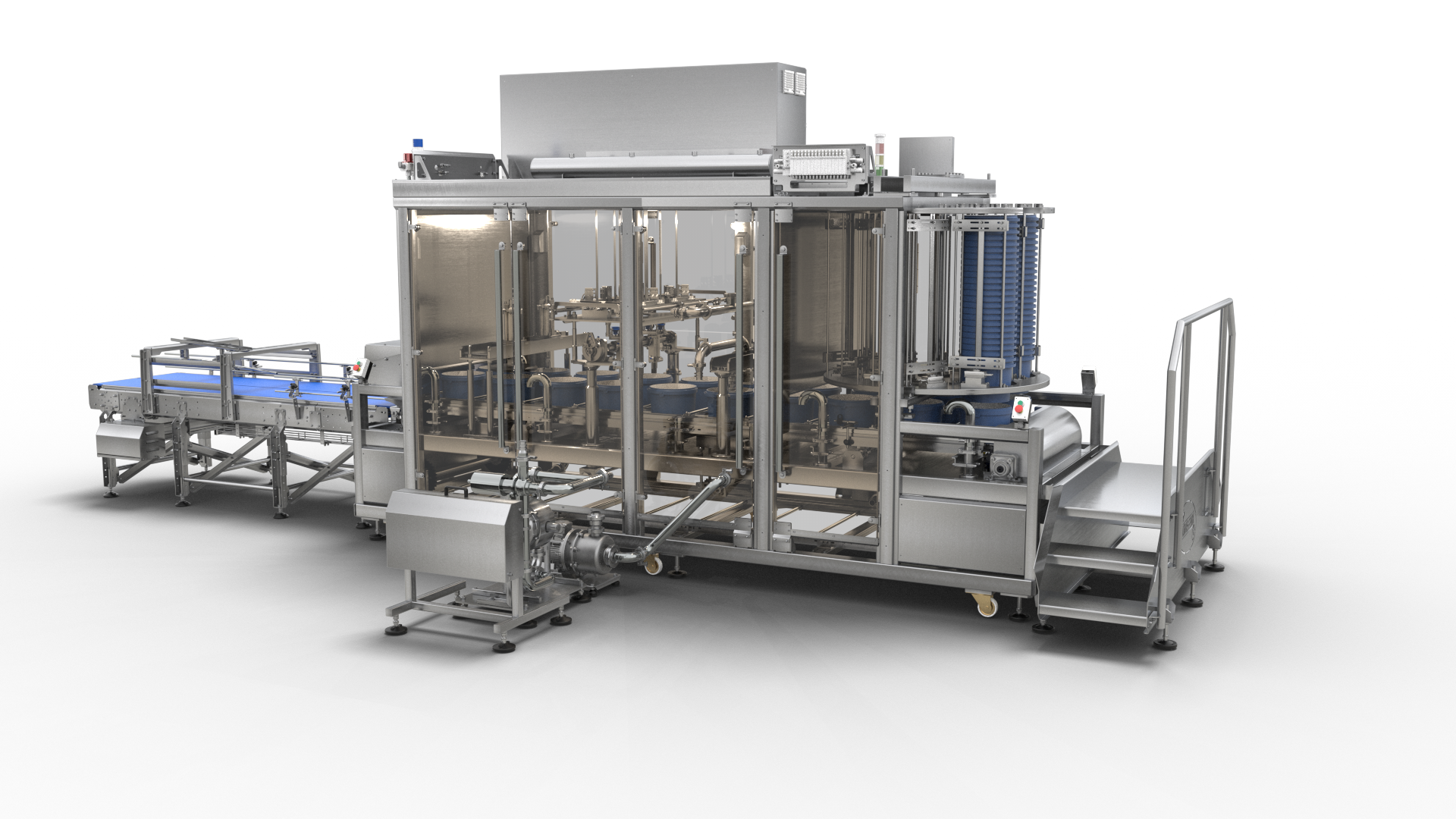
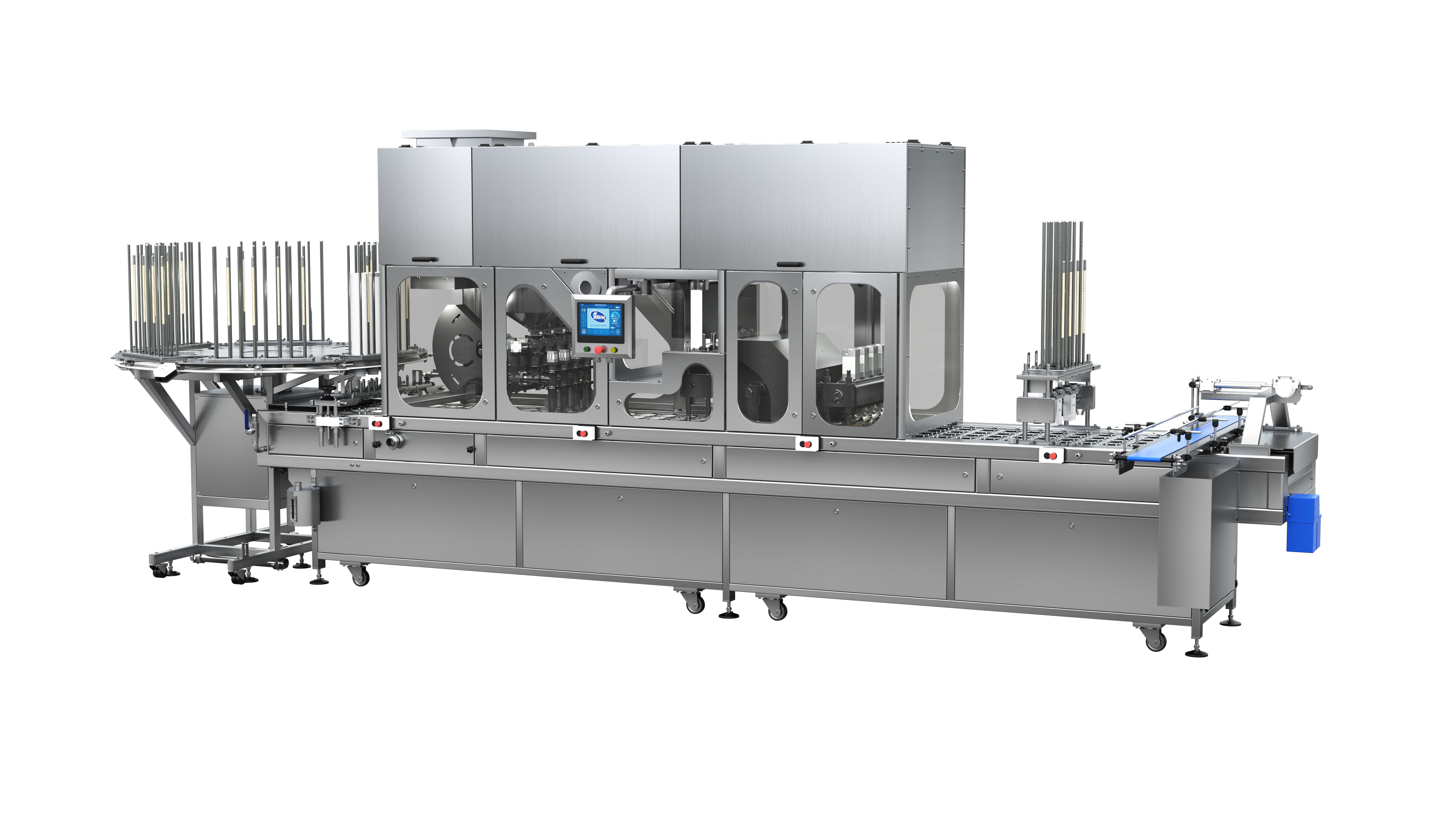
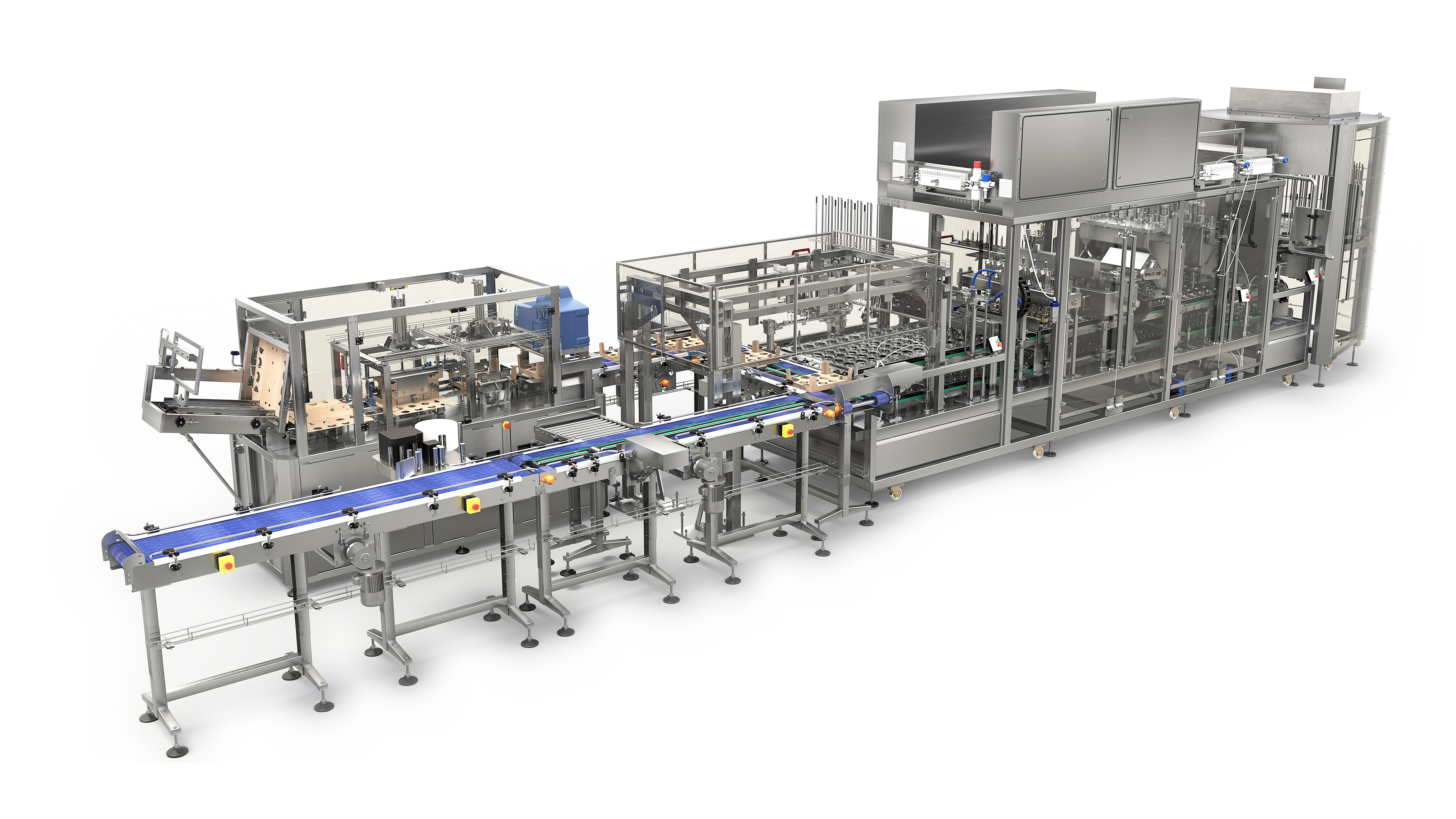
Linear PASTPACK machines are selected when the factory needs higher output, several rows of containers, convenient placement of dosing systems and extended hygiene configuration. Linear machines are suitable for automated container filling lines where dosing accuracy, stable sealing and downstream integration are important.
How to select equipment for plastic containers
The choice depends on product type, container format and required capacity. A rotary machine is suitable for compact production areas and projects where flexibility for buckets, large containers or non-standard packaging is important. A linear machine is selected when output must be increased and several rows of containers must be processed in an automated line.
- PASTPACK R2 is selected for larger containers, buckets and products that require flexible rotary filling with optional cap placing.
- PASTPACK 2R2 is selected when higher rotary output, two enlarged rotors or parallel production of different formats is required.
- PASTPACK 2L is selected for two-row linear filling with a balance between output, flexibility and compact line layout.
- PASTPACK 4L is selected for four-row high-speed filling and Ultra Clean configurations for sensitive products.
- PASTPACK 6L is selected for high-output production where six-row filling and sealing is required.
- Downstream integration can include discharge conveyors, checkweighing, labeling, group packaging, case packing and palletizing.
What should be checked before machine selection
For correct equipment selection, it is necessary to evaluate not only the product and dose volume, but also the container itself: shape, size, height, stability in the carrier, material, flange for sealing, foil or film type, lid and hermetic sealing requirements.
| Parameter | What to check | Why it matters |
|---|---|---|
| Container shape | Round, rectangular, oval, sectional or non-standard container format. | The shape affects container feeding, positioning, carrier design and sealing contour. |
| Container size | Length, width, diameter, height, flange width and stack quality. | These parameters define format parts, feeding system and available machine configuration. |
| Product | Viscosity, temperature, inclusions, product structure and dosing accuracy. | The product determines dosing system type, nozzle design and hygienic options. |
| Closure type | Foil sealing, roll-fed film sealing, plastic lid, snap-on cap or project-specific closure. | Closure system must match the container flange, product shelf life and logistics requirements. |
| Sanitary level | UV treatment, HEPA filtration, protective chamber, BIOZONE, CIP and Ultra Clean options. | Higher sanitary level may be required for dairy, chilled products and sensitive recipes. |
| Line integration | Date coding, checkweighing, labeling, case packing, group packaging and palletizing. | The filling machine can be integrated into a full production and packaging line. |
Supply and integration in the UAE, GCC, Middle East and Africa
SIGITASPAK supplies plastic container filling and sealing machines for manufacturers in the UAE, Saudi Arabia, Oman, Qatar, Kuwait, Bahrain and other GCC countries, as well as wider Middle East and African markets.
The equipment can be integrated with product preparation tanks, pumps, dosing systems, container denesters, foil or film sealing modules, lid placers, date marking systems, conveyors, checkweighers, labeling equipment, case packers, carton sealing machines and palletizing equipment.
For international projects, SIGITASPAK helps define the line concept, prepare technical specifications, select the equipment configuration and coordinate the project according to product, container format, output requirements and factory layout.
Need to select a plastic container filling and sealing machine?
Send us the product type, dose volume, container dimensions, foil or film type, lid requirement, target capacity and hygiene requirements. SIGITASPAK specialists will help select a rotary or linear PASTPACK machine for your production line.
Notes for French and Arabic-speaking customers
Français
SIGITASPAK fournit des machines de remplissage et de scellage pour contenants plastiques destinées aux plats préparés, salades, produits laitiers, sauces, pâtes, caviar, conserves de poisson et produits portionnés.
Les solutions peuvent inclure la dépose des contenants, le dosage, le remplissage, la pose d’opercule aluminium ou de film, le scellage, la pose du couvercle plastique, le marquage de la date, le contrôle et l’emballage secondaire.
Les équipements sont sélectionnés selon le produit, la viscosité, le volume de dosage, le format du contenant, le type d’opercule ou de film, le couvercle, la cadence souhaitée, les exigences d’hygiène et la configuration de l’usine.
العربية
توفر SIGITASPAK ماكينات تعبئة وختم للحاويات البلاستيكية للوجبات الجاهزة والسلطات ومنتجات الألبان والصلصات والمعاجين والكافيار والمعلبات الغذائية والمنتجات المقسمة.
يمكن أن تشمل الخطوط فصل الحاويات، الجرعات، التعبئة، وضع غطاء الألومنيوم أو الفيلم، الختم، وضع الغطاء البلاستيكي، طباعة التاريخ، الفحص والتغليف النهائي.
يتم اختيار المعدات وفقاً لنوع المنتج، اللزوجة، حجم الجرعة، شكل الحاوية، نوع الغطاء أو الفيلم، الطاقة الإنتاجية المطلوبة، متطلبات النظافة وتخطيط المصنع.
FAQ: plastic container filling and sealing machines
What equipment is used for plastic container filling?
Plastic container filling is usually performed on rotary or linear PASTPACK machines. The machine can feed containers, dose the product, seal with foil or film, apply a lid and transfer finished packs to the next conveyor.
What products can be packed into plastic containers?
Plastic containers are used for cottage cheese, sour cream, yogurt, cream, butter, spreads, cream cheese, sauces, mayonnaise, ketchup, jam, pâté, caviar, preserves, salads, seaweed, ready meals and products with soft inclusions.
What is the difference between rotary and linear machines?
Rotary machines are more compact and perform operations around a rotary table. Linear machines are suitable for higher capacity, several rows of containers, extended sanitary configuration and integration into automated filling lines.
Can containers be sealed with foil and closed with a lid?
Yes. PASTPACK machines can be configured with foil or roll-fed film sealing and plastic lid placing. The configuration depends on container shape, product type, flange design and hermetic sealing requirements.
How do I choose a filling machine for plastic containers?
Product type, dose volume, viscosity, inclusions, container size, sealing type, lid type, required capacity, sanitary level and downstream packaging route should be defined before selecting a rotary or linear PASTPACK machine.
Another package types